Famous Orchestras
Various documentaries on the world's best orchestras
Included Movies
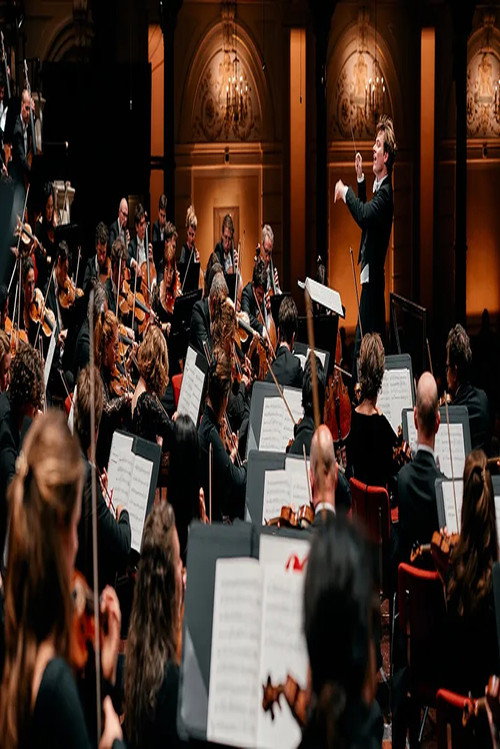
Famous Orchestras - The world's finest orchestras : The Royal Concertgebouw Orchestra
Discovering the world’s most prestigious orchestras. In this episode: founded in 1888, the Royal Concertgebouw Orchestra continues to inspire its young conductor, Klaus Mäkelä. Before him, great composers worked closely with the orchestra, including Richard Strauss, Claude Debussy, Sergei Rachmaninoff, Igor Stravinsky and Gustav Mahler.
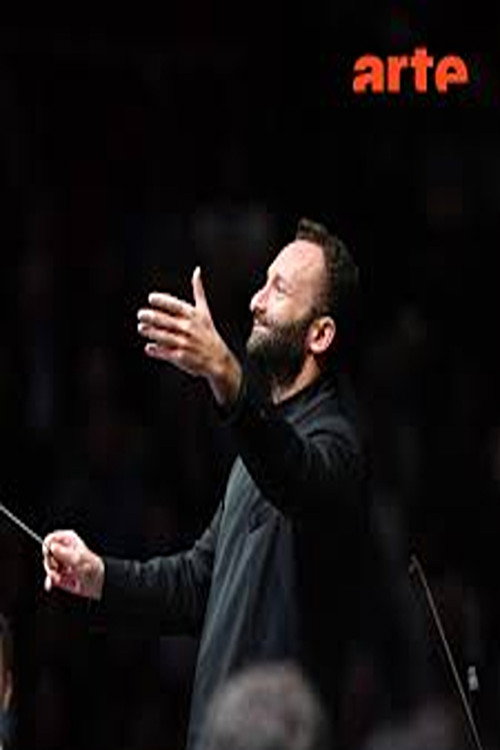
Famous Orchestras - The world’s finest orchestras : The Berlin Philharmonic Orchestra
Discovering the world’s most prestigious orchestras. In this episode: founded in 1882, the Berlin Philharmonic initially comprised around fifty musicians. Following Hans von Bülow, its first permanent conductor, his successors , notably Wilhelm Furtwängler, Sergiu Celibidache and Herbert von Karajan, helped to establish its international reputation.
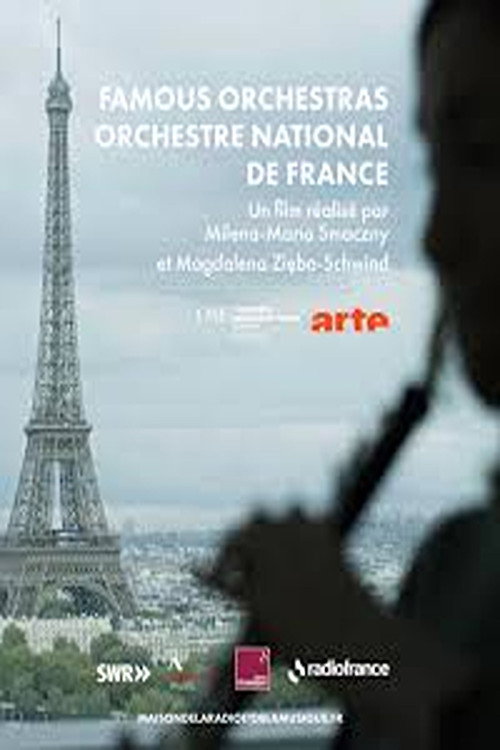
Famous Orchestras - The world’s finest orchestras : The Orchestre national de France
Founded in 1934, the Orchestre national de France is based at the Maison de la Radio in Paris. Currently conducted by Cristian Macelaru, the orchestra owes a great deal to maestros such as Sergiu Celibidache, Leonard Bernstein, Lorin Maazel, Seiji Ozawa, Kurt Masur and Daniele Gatti.
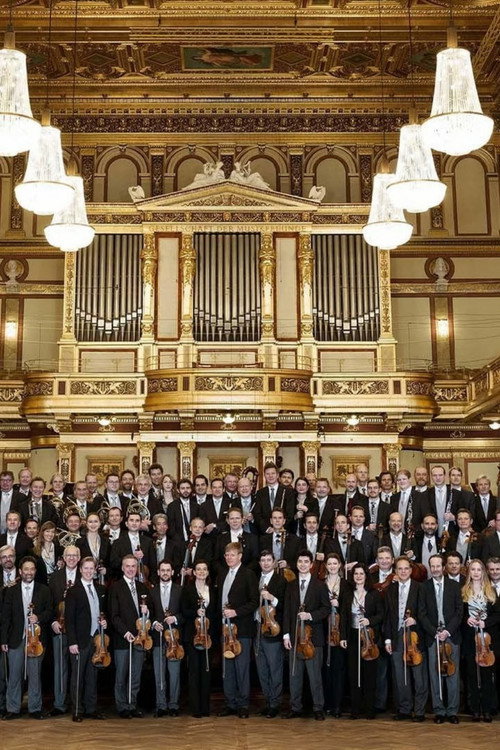
Famous Orchestras - The world’s finest orchestras: The Vienna Philharmonic
Discovering the world’s most prestigious orchestras. Founded in 1842, the Vienna Philharmonic is a true institution. Horn player Wolfgang Vladar, timpanist Thomas Lechner and oboist Clemens Horak explain how this legacy is passed on to each new generation.