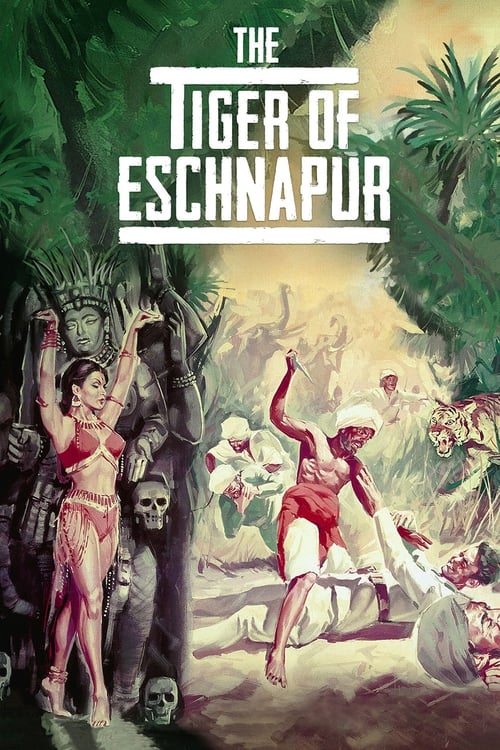
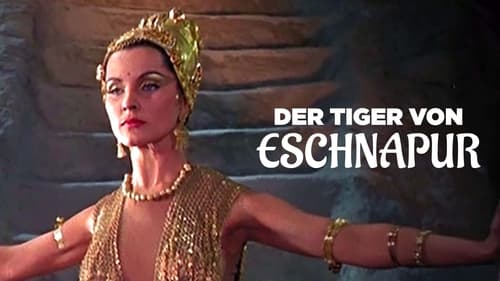
The Tiger of Eschnapur
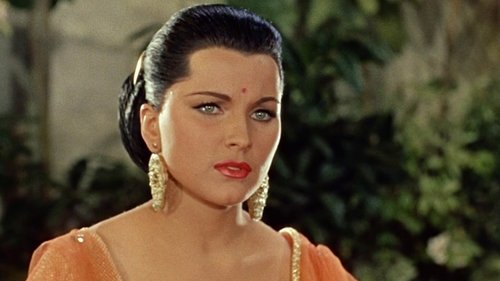
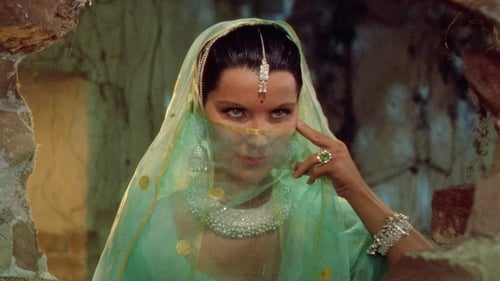
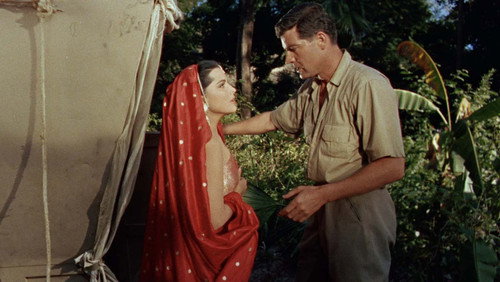
In Eschnapur, a German architect saves the life of the Maharajah's favorite temple dancer and becomes Maharajah's friend but their friendship is tested when the architect and the dancer fall in-love, triggering the Maharajah's vengeful ire.
Top Billed Cast

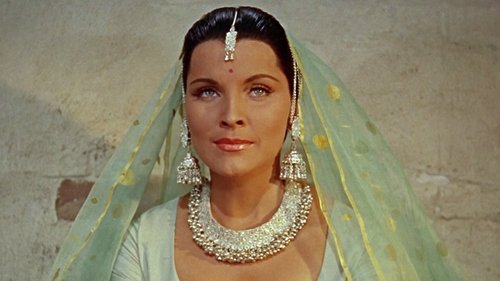
Debra Paget
Seetha
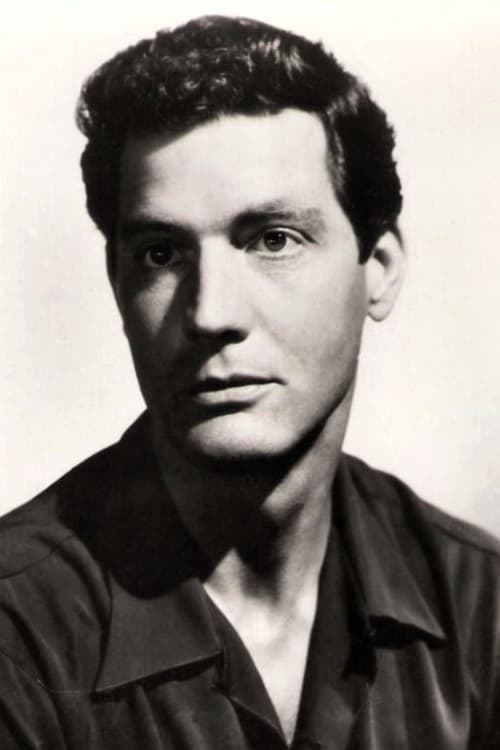
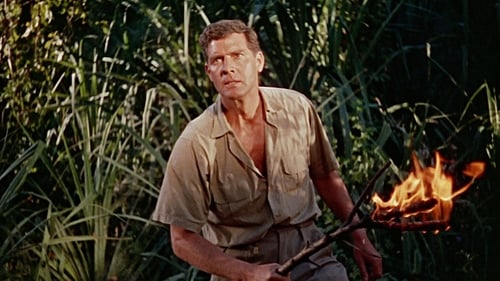
Paul Hubschmid
Harald Berger / Henri Mercier (in French version)
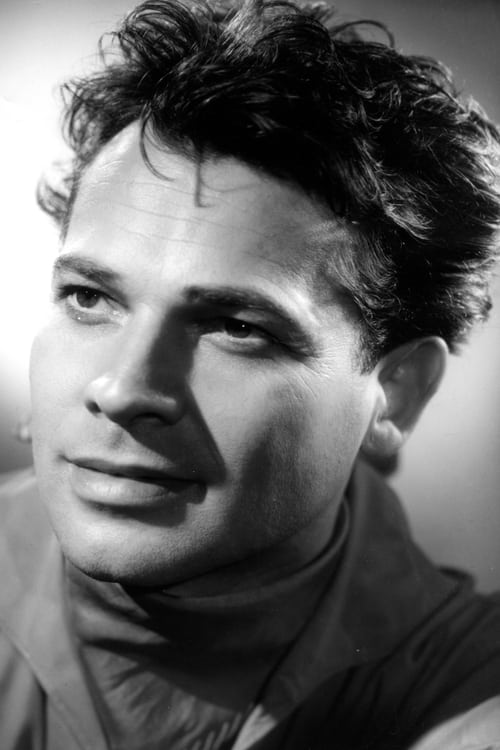
Walther Reyer
Maharadjaj Chandra
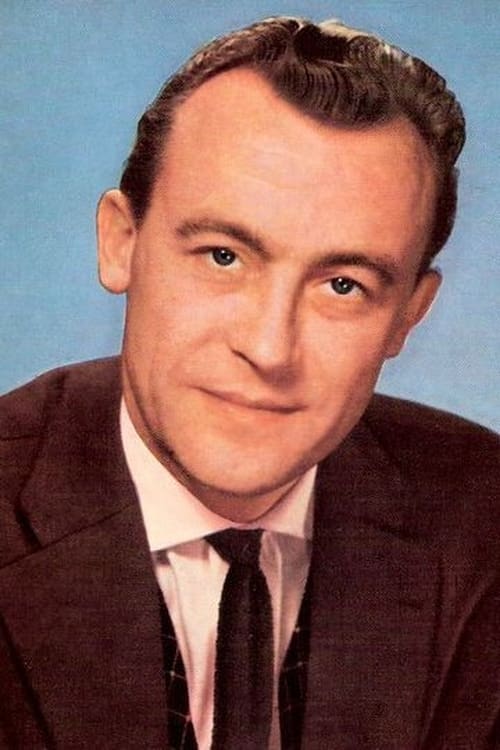
Claus Holm
Dr. Walter Rhode

Sabine Bethmann
Irene Rhode
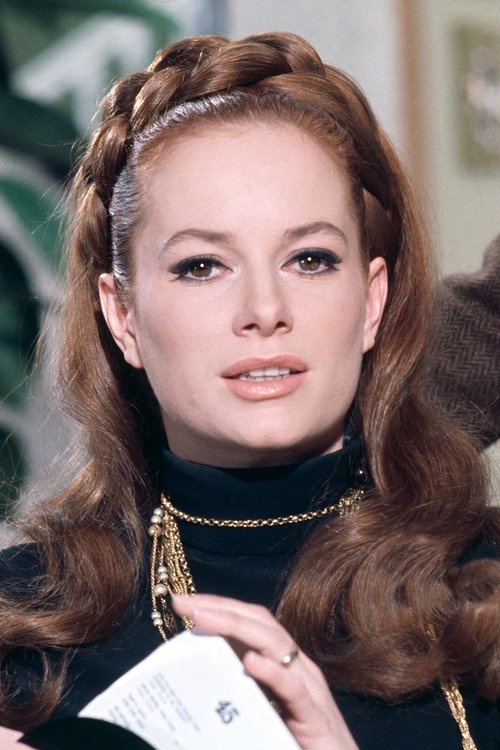
Luciana Paluzzi
Baharani - Seetha's Servant
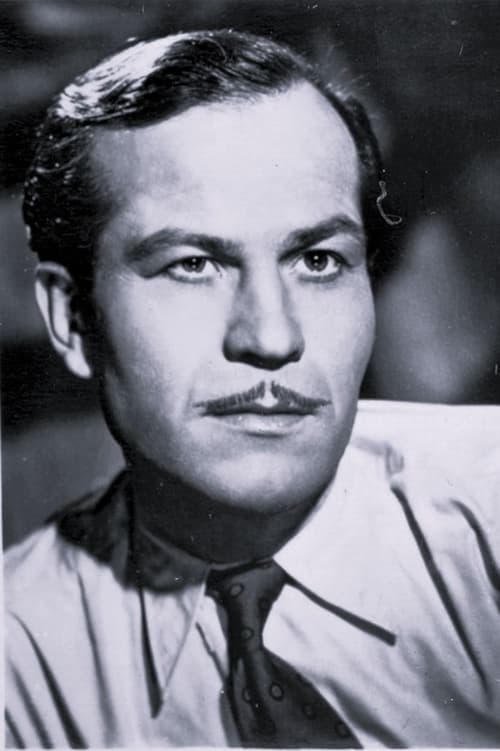
René Deltgen
Prince Ramigani

Valéry Inkijinoff
Yama
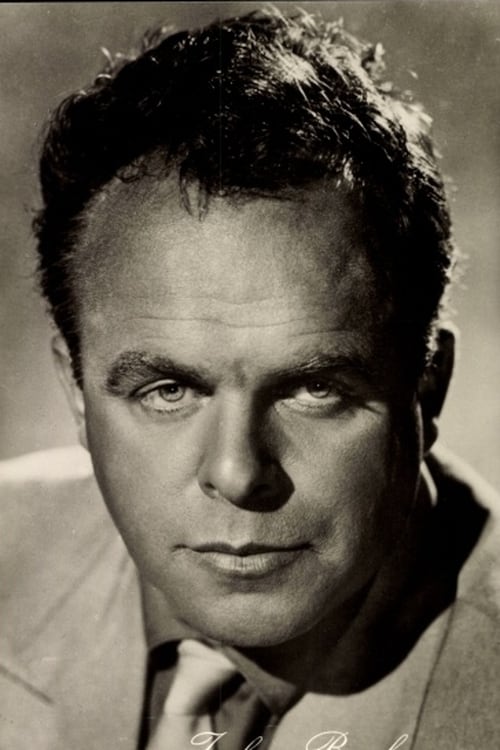
Jochen Brockmann
Fürst Padhu
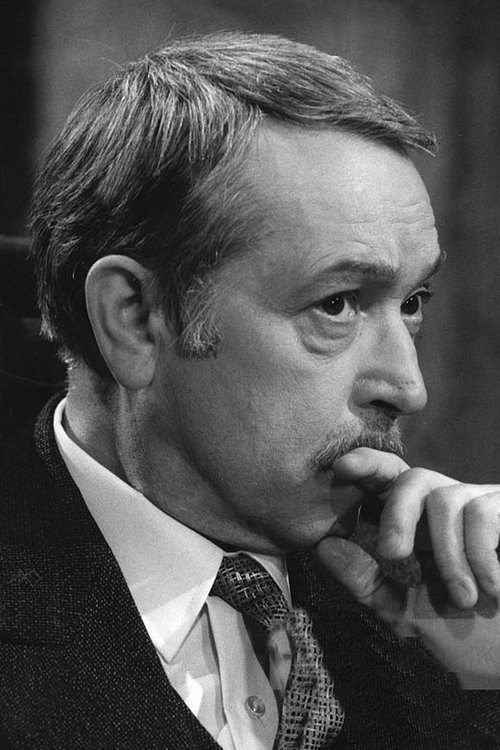
Richard Lauffen
Bhowana
Photos
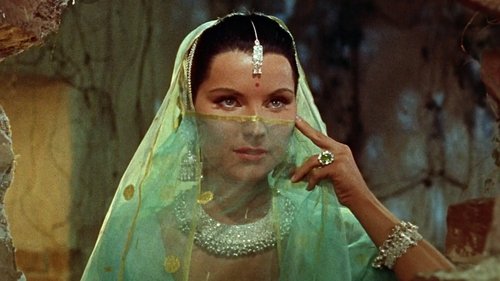
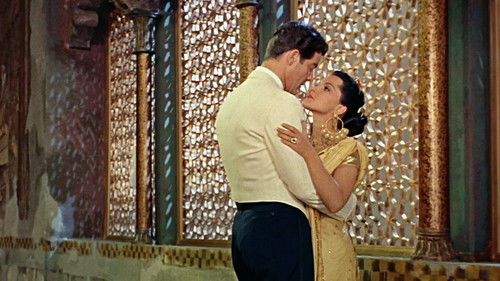
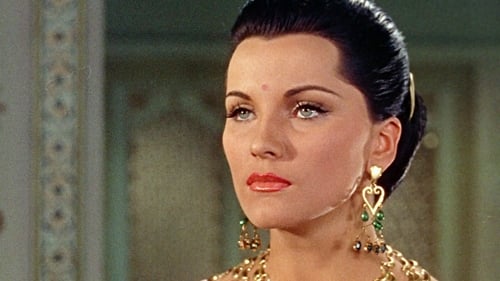
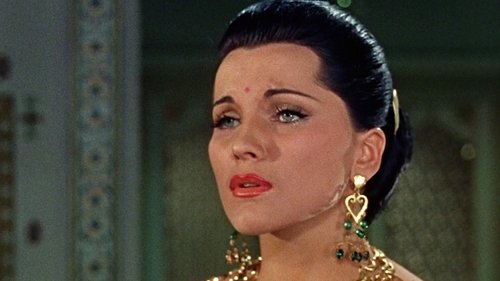
Videos
Reviews (1)
Wuchak
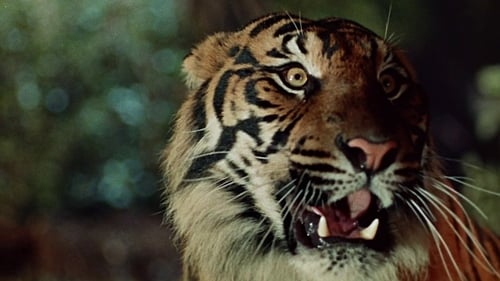
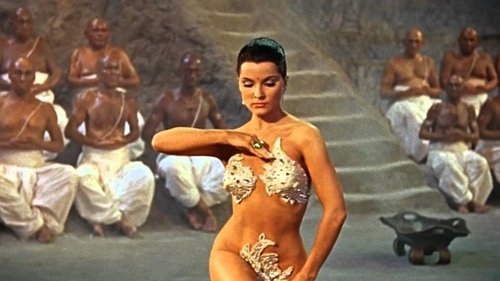
**_A German Architect goes to northwest India to meet the maharajah… and a dancer_** This is the first of Fritz Lang's duology referred to as his Indian Epic; the second part being "The Indian Tomb,” which was released later the same year, 1959. Both films were heavily edited down into a 95-minute movie for American audiences called "Journey to the Lost City" and released the following year, which heavily trimmed Debra Paget's iconic dance sequences due to the Hays Office. Anyone who likes adventure flicks such as “Princess of the Nile,” "Legend of the Lost,” "The Vengeance of She,” "Raiders of the Lost Ark,” "Octopussy" and “Indiana Jones and the Temple of Doom” should appreciate either installment of the Indian Epic, although the second part’s noticeably superior (as detailed below). They feature spectacular palaces, heroes, villains, rivalry, danger, swords, beautiful women, romantic passion, elephants, tigers, snakes, torches, caverns, dungeons, temples, honorable monks and all-around high adventure. Each includes a 3-minute dance scene by Debra Paget as Eurasian Seetha, both equally well done, but the sequence in “The Indian Tomb” features her in more revealing (non)attire. I prefer the sequence in this one, which was obviously borrowed from the same in “Princess of Nile” five years earlier. Debra's performances are just as good or better than Brigid Bazlen’s routine in "King of Kings" and Salma Hayek's in "From Dusk Till Dawn.” Believe it or not, Seetha’s servant, Bharani, is played by none other than Luciana Paluzzi, who went on to fame as Fiona in “Thunderball” six years later. Speaking of James Bond, there’s a tiger-fighting sequence in the last act in which Paul Hubschmid glaringly prefigures 007, three years before the suave Bond would make it to cinema with “Dr. No.” Unfortunately, I found this first part of Lang’s duology disappointing compared to the second part. It’s more subdued and all around less compelling, yet it clearly influenced “Temple of Doom” 25 years later. As such, I suggest watching “The Indian Tomb” seeing as how it's not absolutely necessary to view this film in order to enjoy that one since it includes a recap at the outset. If you enjoy that one, then catch this. However, if you’re adamant about seeing the entire duology then, by all means, see them in order. You’ll be pleased by how the entertainment value improves with “The Indian Tomb.” It runs 1h 40h (the same as the following film) and was shot Aug-Nov 1958 in Udaipur in northwestern India in the state of Rajasthan, areas that were normally barred from Western film crews up to that point. Interiors were shot at Spandau Studios in Berlin. "Octopussy" later used some of the same India locations. GRADE: B-
Recommendations

Supercross

A Big Bold Beautiful Journey

An Autumn Romance
Winter's Tale

Hagen

The Shepherd

Dragonheart: Vengeance
I Am David

Angel Eyes
Pinocchio

Charlotte's Web 2: Wilbur's Great Adventure

Jack the Giant Slayer
Until the End of the World

Windstorm: The Great Hurricane
Discovering Dinotopia

Dirt

The Jungle Book

Forever First Love
Night Train to Lisbon
Genghis Khan
Information
Keywords
Production